Food Combining
Diet for Over 50 —
Does It Actually
Improve Digestion
and Energy?
The truth lies somewhere between the extreme claims and the dismissal — and the real lesson is simpler than either side suggests
Food combining diets have existed for decades, yet they continue attracting enormous attention — particularly among people over fifty. The reason is understandable. As we age, many people begin noticing subtle but frustrating physical changes. Meals that once caused no issues suddenly leave them bloated, sluggish, or uncomfortable. Energy levels fluctuate more dramatically. Digestion feels slower. Heavy meals seem harder to tolerate.
In response, many begin searching for nutritional solutions that promise better digestion, improved energy, and easier weight control. Food combining diets often appear near the top of that search. But does food combining actually work — or is it simply another nutritional trend wrapped in clever marketing and pseudoscientific language? The truth, as usual, lies somewhere in the middle.
The theory, the claims —
and where the evidence actually stands.
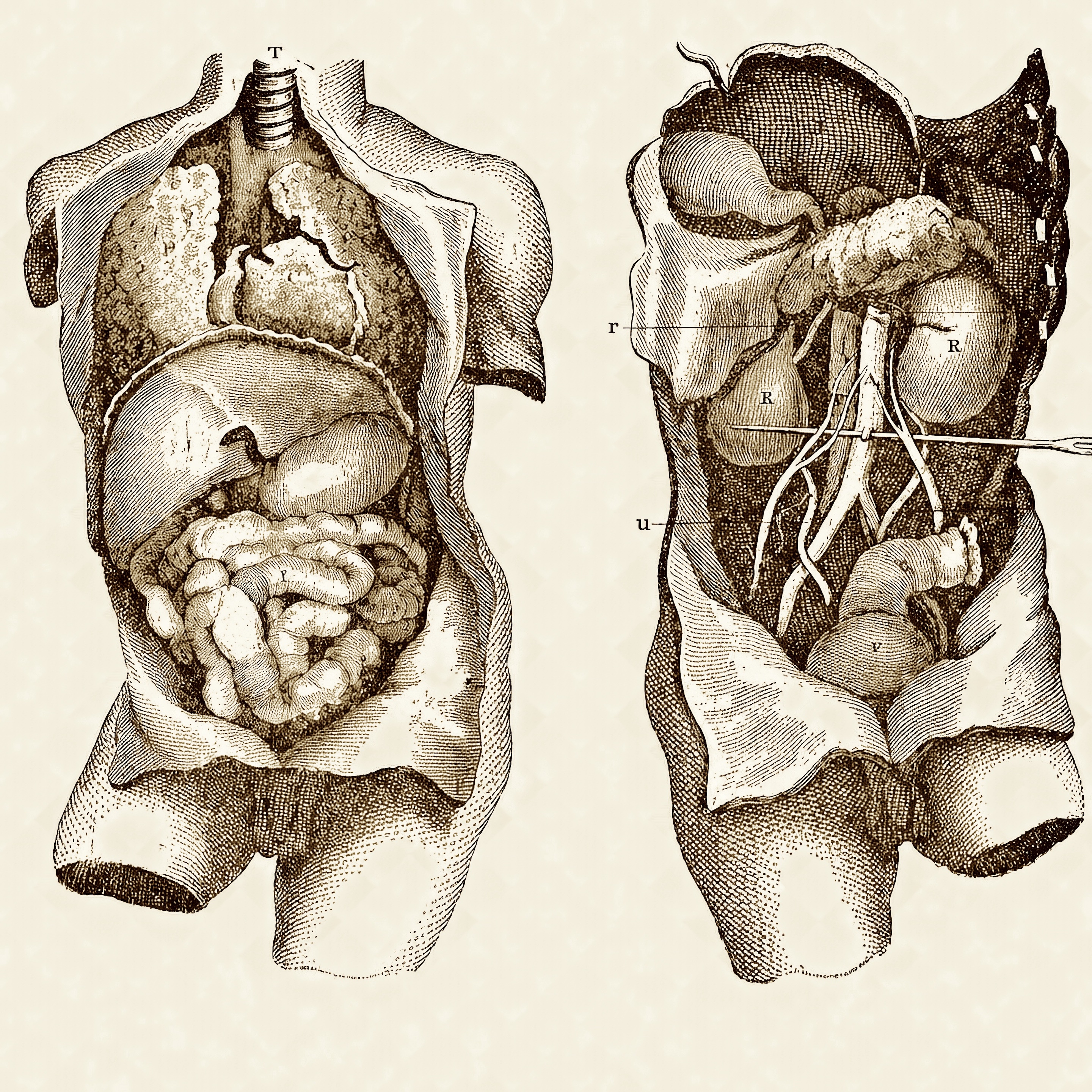
Food combining diets are based on the idea that certain foods digest better when eaten separately rather than together. Different variations of the diet exist, but the common thread is the belief that mixing certain food categories impairs digestion, increases bloating, reduces nutrient absorption, and lowers energy levels.
The theory suggests different foods require incompatible digestive environments — and should therefore be eaten separately.
- Avoid combining proteins and carbohydrates in the same meal
- Eat fruit alone — never combined with other food groups
- Separate starchy foods from acidic foods
- Simplify meals to reduce supposed digestive conflict between food types
Scientifically speaking, the human digestive system is remarkably sophisticated and fully capable of processing mixed meals. Healthy digestive systems routinely handle proteins, fats, carbohydrates, and fibre simultaneously without major difficulty. This is where many food-combining advocates overstate their case considerably. Yet dismissing the topic entirely would also be a mistake — because although strict food-combining theory lacks robust evidence, many people genuinely do feel better when eating simpler meals. And importantly, there are practical reasons for this that have less to do with digestive incompatibility and far more to do with modern eating habits themselves.
Nutrition that supports training and recovery does not require elaborate dietary rules. Whole food quality, adequate protein, and consistent eating habits matter far more than food combination theory. The Minimum Effective Strength System applies the same minimum effective principle to nutrition: enough of the right inputs to support adaptation, without unnecessary complexity.
The problem is usually dietary chaos —
not specific food combinations.
One reason food-combining diets resonate with mature adults is because digestion often does change with age. Metabolism gradually slows. Physical activity may decrease. Stress accumulates. Sleep quality can worsen. Digestive efficiency itself may become less robust than it once was. Modern diets compound the problem further — many people regularly consume enormous meals overloaded with ultra-processed foods, sugar, refined oils, alcohol, and excessive calories.
Under these conditions, digestive discomfort becomes almost inevitable. And critically, the problem is often not specific food combinations themselves. More commonly, the issue is excessive overall dietary chaos — large portions, poor food quality, overeating, stress, inactivity, and highly processed meals create far more digestive disruption than eating chicken and rice together ever could.
The distinction matters. Because it shifts the conversation away from rigid dietary rules and toward improving the overall quality and simplicity of eating habits — which is where the genuine benefit almost always lies.
Why food-combining followers feel better —
and what is actually producing the improvement.
Many people who follow food-combining diets report improved digestion and energy not necessarily because they have discovered some secret digestive loophole, but because the approach naturally encourages simpler, more mindful eating. Meals become less excessive. People slow down. They pay greater attention to food quality. Portion sizes improve naturally. Processed foods decrease. Eating patterns become more deliberate rather than chaotic. And these changes alone can dramatically improve digestive comfort.
Simpler meals are often easier to tolerate because they reduce the likelihood of overeating highly processed calorie-dense combinations that overwhelm appetite regulation. A meal based around lean protein, vegetables, and minimally processed carbohydrates feels very different from an enormous takeaway loaded with refined fats, sugar, and excessive sodium — not because of mystical digestive incompatibility, but because one is nutritionally coherent and the other is not. Blood sugar fluctuations may become less extreme. Digestive stress may decrease. Energy becomes steadier because eating itself becomes more controlled and less erratic.
None of this requires nutritional extremism. And importantly, it does not require fearing ordinary mixed meals. A grilled chicken breast with potatoes and vegetables is not a digestive catastrophe. Nor is oatmeal with fruit and protein. For most healthy individuals, the body handles these combinations perfectly well.
What nutrition over 50 must actually
prioritise for recovery and performance.
For mature trainees interested in strength training and muscle building, nutrition must ultimately support recovery and performance first. This means adequate protein intake becomes critically important — ageing muscle tissue becomes somewhat less responsive to anabolic stimulation over time, making consistent protein consumption increasingly valuable after fifty. Recovery also depends heavily upon sufficient calories, hydration, sleep, and overall nutritional consistency.
This is where rigid food-combining rules can occasionally become problematic. Some approaches unnecessarily complicate eating to the point where people struggle to consume balanced meals consistently. Others create needless anxiety around perfectly normal food combinations that the body handles without difficulty.
These factors matter far more for long-term health and physique improvement than food-combination theory.
Minimally processed, nutrient-dense whole foods provide the micronutrients, fibre, and satiety that ultra-processed alternatives cannot replicate.
Muscle protein synthesis requires consistent daily protein intake — particularly important after fifty when anabolic sensitivity gradually declines.
Calorie management through portion awareness rather than food group elimination — sustainable and nutritionally complete.
A moderate diet maintained consistently over years produces better long-term results than perfect dietary compliance maintained for weeks before collapse.
Simple habits that consistently improve digestion —
regardless of food-combining theory.
Nutrition after fifty works best when approached intelligently rather than dogmatically. Some individuals genuinely digest certain foods better when meals remain simple. Others notice little difference whatsoever. Digestive tolerance varies enormously between individuals depending on stress levels, lifestyle, activity, food quality, and overall health. This is why rigid nutritional ideology often becomes unhelpful.
Instead of following dietary rules, mature trainees benefit far more from observing how specific foods and meal patterns actually affect them personally — paying attention to meal size, energy levels, satiety, digestion, recovery, and sleep quality. That personal data provides far more useful information than any food-combining chart.
These work regardless of whether food combining itself has unique digestive powers.
- Eating slower and more deliberately — reducing the overeating that rushed meals encourage
- Reducing ultra-processed foods — the most consistent single dietary improvement available
- Prioritising whole foods at most meals — naturally improving micronutrient density and satiety
- Avoiding constant snacking — allowing the digestive system adequate time between meals
- Managing stress — which directly affects digestive function regardless of food choices
- Improving hydration — supporting digestion, circulation, and nutrient delivery
- Walking regularly — improving gut motility, circulation, and metabolic function simultaneously
After fifty, nutrition should not become an exhausting puzzle filled with fear and rigid rules. It should become a practical tool that supports strength, vitality, movement, recovery, and long-term wellbeing. The best diet is rarely the most complicated one — more often it is the one you can follow consistently while still enjoying the process of living.
Whole food quality. Adequate protein. Sensible portions. Consistent habits. These four nutritional principles — not food-combining theory — support the progressive training of the Minimum Effective Strength System. Simple, sustainable, and effective across the long term.