Benefits of
Eating Meat —
What the EPIC
Study Found
37,000 people across Europe — the difference between processed and lean meat, and what it means for the strength trainee
A Europe-wide study of 37,000 people found that heavy consumers of processed meat gained significantly more weight over five years than those who ate less — despite consuming the same number of calories and maintaining the same activity levels. It is a finding that appears to challenge the straightforward calorie equation.
But the finding is more specific than the headlines suggest — and the distinction it draws is the one that matters most for anyone eating meat as part of a training diet.
What 37,000 people across Europe
revealed about meat and weight gain.
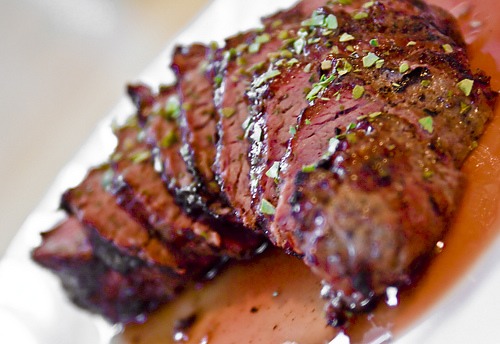
The research was led by a team at Imperial College London, examining data from the EPIC study — a long-running European research programme examining links between diet and cancer. Dietary questionnaires were completed by participants across Europe, and a proportion were weighed at the start and end of a five-year period to calculate average weight gain.
Heavy processed meat consumers gained more weight — despite identical calorie intake and activity levels.
Dietary data collected across multiple European countries, with a subset weighed at start and end of the five-year period.
Heavy processed meat consumers gained almost 5 pounds more over five years than those with lower meat intake — at the same calorie levels.
The study examined processed meats specifically — bacon, sausages, and ham — not lean cuts of meat. Countries with the highest processed meat intake (Denmark, Germany, Spain, Sweden, Netherlands — approximately 267 calories daily from meat) showed notably higher weight gain than those with the lowest intake (Greece — approximately 142 calories daily from meat). Published in the American Journal of Clinical Nutrition.
The finding that identical calorie intake and activity levels produced different weight outcomes between heavy and moderate meat consumers is genuinely puzzling from a straightforward energy balance perspective. The most plausible explanation is that the type and quality of the protein — and the accompanying fat content in processed versus lean meats — affects satiety, hormonal signalling, and metabolic rate in ways that simple calorie counting does not capture.
Nutrition that supports strength training and body composition management is a consistent theme across this site. For the broader picture of how dietary choices affect cardiovascular health and metabolic function alongside training outcomes, see the healthy food for the heart page and the Minimum Effective Strength System.
Three practical takeaways —
for the trainee who eats meat.
The EPIC study does not make a case against meat as a food category. Lean meat — particularly beef, poultry, and fish — remains one of the most complete and bioavailable protein sources available, providing all essential amino acids in proportions that plant sources rarely match without careful combination.
What the study does make a case against is the heavy consumption of processed meat specifically. The practical distinction is the one that Sian Porter, spokesperson for the British Dietetic Association, articulated in response to the findings.
"The message is to limit your intake of processed meats, check your portion sizes, and try to eat pulses, beans, oily fish, and a variety of vegetables and wholegrains."
Sian Porter — British Dietetic AssociationThe distinction between processed and lean meat is the one that matters.
- Limit processed meat — not meat Bacon, sausages, ham, and other processed meats carry significant amounts of added sodium, preservatives, and saturated fat alongside their protein content. The EPIC study's finding applies specifically to this category. Lean cuts of beef, poultry, and fish are not implicated in the same way and remain excellent protein sources for the strength trainee.
- Moderate portions of lean meat support training Moderate amounts of lean meat consumed as part of a varied whole food diet provide the complete amino acid profile that muscle protein synthesis requires. For the strength trainee, adequate protein from lean animal sources remains one of the most reliable and efficient ways to meet the elevated protein requirements that progressive training creates.
- Variety within the protein category matters The BDA's recommendation to include pulses, beans, oily fish, and wholegrains alongside meat is the correct whole-diet approach — not replacing meat but supplementing it. Oily fish in particular provides the omega-3 fatty acid profile that lean red meat does not, and the combination covers the full range of nutritional requirements that meat alone cannot address.
The practical conclusion for the strength trainee is straightforward. Lean meat — consumed in moderate portions as part of a varied diet — produces the protein intake that supports muscle retention and growth without the body composition consequences that the EPIC study associated with processed meat consumption. The rib-eye earns its place. The daily processed meat habit does not.
Whole food nutrition that provides adequate protein without the complications of processed food — this is the dietary foundation that supports progressive strength training. The Minimum Effective Strength System addresses the training side. Dietary quality is what makes the training produce its full result.