Hollywood Body
Transformation —
Visual Impact,
Not Powerlifting
Numbers
Proportion, conditioning, and posture create the physique that commands attention — not maximal lifting numbers alone
The Hollywood physique has changed dramatically over recent decades. Today's leading actors are leaner, harder, and more athletic-looking than their predecessors. These physiques project something beyond muscle alone — they radiate vitality, power, athleticism, confidence, and presence. The body itself communicates something primal before a single word of dialogue is spoken.
This is why so many people search for Hollywood body transformation advice online. They are not merely chasing muscle. They are chasing visual impact. And ironically, this is where much of modern gym culture quietly leads people in precisely the wrong direction.
When strength numbers replaced proportion —
and what many lifters discovered in the mirror.
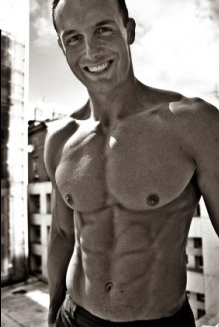
Not so long ago, bodybuilding was largely understood as the pursuit of an impressive-looking physique. Classic physiques were admired for proportion, symmetry, posture, conditioning, and visual appeal — the goal was to look powerful, athletic, and aesthetically striking. Somewhere along the way, however, the culture shifted.
Modern fitness became increasingly obsessed with raw numbers — bigger bench presses, heavier squats, larger deadlifts, and maximal strength performance. The question slowly changed from how good does your physique look to how much can you lift. There is nothing inherently wrong with strength itself — strength is enormously valuable. But problems begin when raw lifting performance becomes the only objective.
Training exclusively for maximal strength does not automatically create the physique most people actually want. In some cases it can move them further away from it. Excessive power-focused training often produces physiques that appear thick, blocky, or visually unbalanced. Endless bulking phases bury muscular definition beneath body fat. Chronic fatigue creates a worn appearance rather than an athletic one. Many lifters eventually discover something uncomfortable — they became stronger without becoming more visually impressive.
Fitness writer Rusty Moore, in his work on aesthetic training, described this phenomenon as the trap of prioritising strength numbers over visual results — the belief that aesthetics matter less than brute-force performance. Many trainees fall into this pattern, watching their lifts climb while their mirror results disappoint.
Abbreviated training that preserves leanness, supports recovery, and focuses on proportional muscular development is both the most efficient and the most aesthetic approach available. The Minimum Effective Strength System is built around precisely this principle.
Proportion matters more than sheer size —
and the illusion of power comes from contrast.
Most Hollywood physiques are not built around maximum muscle mass. They are built around strategic visual presentation. Camera-ready physiques rely heavily on shape, symmetry, and conditioning — and many actors appear dramatically muscular on screen despite weighing far less than professional bodybuilders or elite powerlifters.
Proportion, contrast, and conditioning — not maximal size or lifting numbers.
Lean conditioning reveals muscular separation and definition that bulk conceals — the single most visually significant variable in the Hollywood look.
Wide shoulders create the V-taper contrast that makes the waist appear narrower — the foundation of the athletic silhouette that projects power and presence.
A well-developed upper chest fills the neckline of clothing and contributes to the strong, capable appearance that the Hollywood physique projects at rest.
Abdominal definition is primarily achieved through low body fat rather than excessive ab training — a function of conditioning and diet rather than volume.
Posture changes how the body presents itself more dramatically than any single muscle group. Upright carriage adds apparent height, width, and presence instantly.
The overall quality of movement and physical vitality that signals health and capability — produced through consistent training and recovery management rather than extreme gym sessions.
Hollywood trainers understand this extremely well. Actors are rarely preparing for powerlifting competitions — they are preparing for visual presentation. The body must look impressive under lighting and camera angles while remaining mobile, athletic, and sustainable. This creates a very different training objective from simply moving the maximum amount of weight possible.
Fresher, leaner, and more responsive —
why less work often produces a better visual result.
Contrary to modern gym culture, more training is not always better training — and this is particularly true when the goal is aesthetic appearance. Excessive volume frequently creates chronic inflammation, recovery debt, elevated stress hormones, and joint irritation. The physique can begin looking soft, overstressed, and perpetually fatigued rather than athletic and sharp.
Abbreviated high-quality training often creates a cleaner visual effect. Shorter intense workouts combined with proper recovery allow the body to stay fresher, leaner, and more responsive. Walking improves conditioning and recovery without excessive systemic fatigue. Controlled nutrition prevents unnecessary body fat accumulation. Sleep and recovery preserve hormonal function and training performance.
The irony is that many people trying desperately to build an impressive physique actually sabotage their appearance by doing too much. They carry unnecessary body fat from endless bulking. They appear chronically fatigued from excessive volume. They develop joint inflammation that creates a stiff, uncomfortable movement quality. Sometimes the fastest path toward a better-looking body is reducing unnecessary training stress — not adding more of it.
Lean, athletic, and sustainable —
the physique that projects vitality for decades.
Age changes the purpose of training in profound ways. At younger ages, many lifters chase ego goals — maximal strength, extreme bodyweight, or gym performance statistics. Eventually a different goal begins emerging: the desire to remain lean, capable, energetic, mobile, and visually athletic for decades. This is where the aesthetic Hollywood-style approach becomes especially appealing later in life.
A lean athletic body with good posture, healthy conditioning, and balanced muscular development projects vitality far more effectively than simply carrying excessive size or chasing reckless lifting numbers. And importantly, it is sustainable. Extreme powerlifting-style training later in life often carries increasing recovery costs — spinal fatigue, connective tissue stress, joint irritation, and accumulated wear. Meanwhile, a recovery-focused aesthetic approach frequently allows mature trainees to continue looking and feeling impressive long into later decades.
Strength still matters enormously, of course. But after fifty, intelligent strength matters more than ego strength. The goal is no longer impressing other lifters with numbers. The goal is a body that looks capable, moves well, and functions powerfully year after year.
Strategic restraint builds the physiques
that look powerful the moment they walk into a room.
Modern fitness culture sometimes treats aesthetic goals as shallow or unimportant. That attitude is mistaken. There is nothing wrong with wanting to look strong, athletic, confident, and visually impressive. These qualities communicate health, vitality, and capability — and they matter to people across every age and background.
The mistake is assuming those qualities are built primarily through endless punishment and maximal lifting numbers. Often, the opposite is true. The best physiques are built through strategic restraint — intelligent training, controlled recovery, sustainable conditioning, and focused muscular development. The body should look powerful without appearing beaten down by the process used to build it.
That is the real lesson behind successful Hollywood body transformations. Visual impact is not created through ego lifting alone. It is created through understanding how the body actually presents itself aesthetically — and training specifically for that outcome.
Train for proportion.
Train for conditioning.
Train for posture.
Train for longevity.
Because ultimately, the physique that commands attention is rarely the one lifting the heaviest barbell in the gym. It is the one that looks athletic, balanced, lean, and powerful the moment it walks into the room.
Proportion. Conditioning. Posture. Longevity. These four training objectives align precisely with the philosophy of the Minimum Effective Strength System — building a body that looks impressive, functions powerfully, and remains sustainable for the decades ahead. Not a temporary transformation. A permanent improvement.