The Best Interval Training Techniques?
by David
What different Interval Training techniques are people doing? i.e. rowing, sprinting, bike? Anyone have any suggestions?
Comments for The Best Interval Training Techniques?
|
||
|
||
|
Click here to add your own comments Join in and write your own page! It's easy to do. How? Simply click here to return to Comments. |


Recent Articles


-
Chin Up Strength Over 50 — Why This Classic Exercise Still Rules
May 18, 26 11:46 AM
 Chin up strength over 50 — six muscles trained simultaneously, four progressive pathways from zero to strict reps, and why the chin up remains the most honest test of functional upper-body strength av…
 -
The Iron Warrior's Journey — Robert Sparkman's Strength Training Story
May 07, 26 11:09 AM
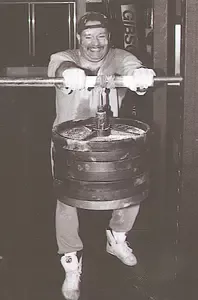 Robert Sparkman's strength training memoir — 57 years beneath the barbell. From a 1969 basement session to 101 reps with 400 pounds, a 100-pound illness, and the harder wisdom of training smart throug…
 -
Best Weight Training Exercises - Unlock the Secret of the 80 20 Rule
May 02, 26 11:47 AM
 The best weight training exercises and the 80/20 rule — why 20% of exercises produce 80% of results, the five compound movements that make that 20%, and how Paul Anderson built extraordinary strength…