Pull Up Exercise
Over 50 — The
Ultimate Test of
Relative Strength
Unlike any other gym lift, the pull-up asks one simple, unsparing question: can you lift yourself?
Walk into almost any commercial gym and you will see lifters obsessing over one thing: how much weight is loaded onto the bar. The bench press gets all the attention. The deadlift commands respect. The squat remains the king of exercises. Yet hidden in plain sight is a movement that may reveal more about your true level of fitness than all three combined.
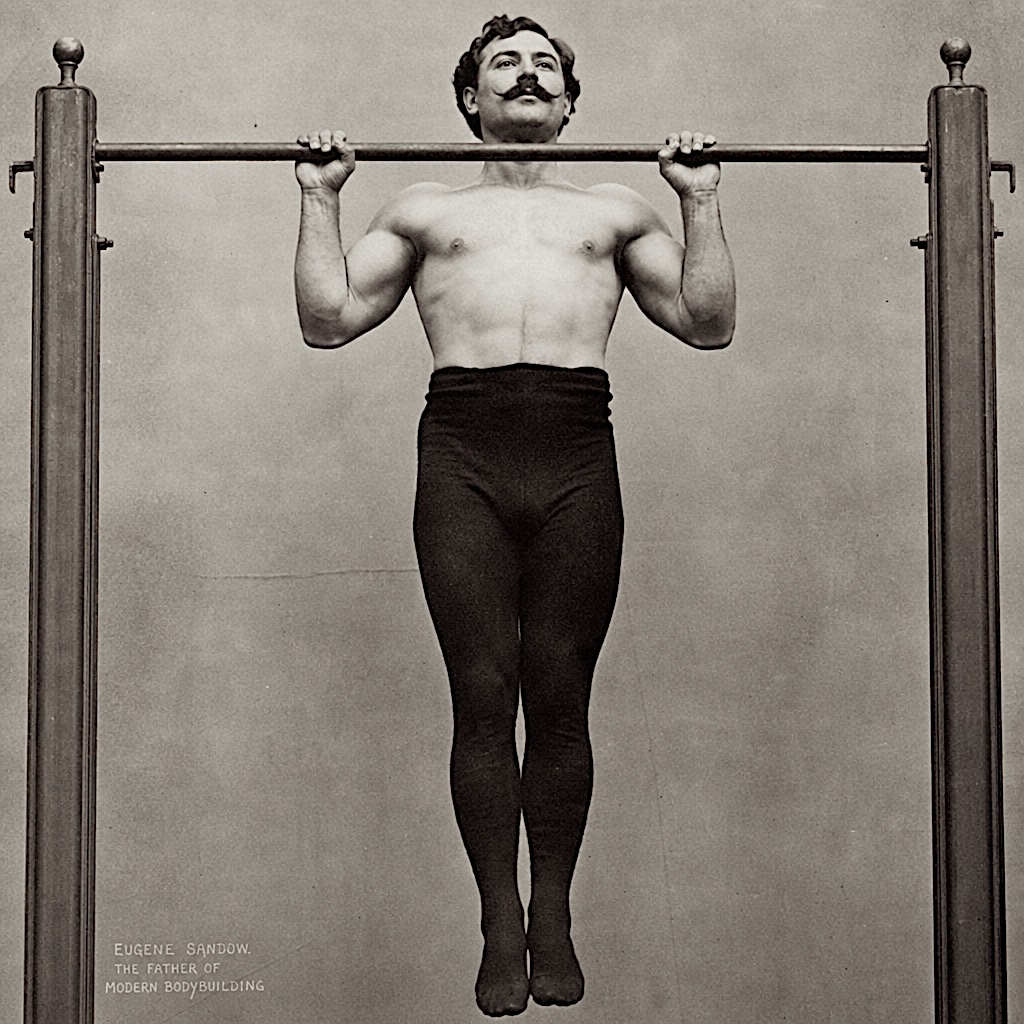
The humble pull-up. Unlike most gym lifts, it demands that you move your own body through space. There are no machines to guide you, no shortcuts, and no opportunities to hide weaknesses behind momentum or clever technique. You either pull yourself over the bar or you do not. That is why the pull-up remains one of the greatest tests of relative strength ever devised — and why mastering it after fifty may be one of the smartest fitness goals you can pursue.
Absolute strength measures what you can lift.
Relative strength measures what you can do with yourself.
There are two fundamentally different ways to measure strength. The first is absolute strength — the amount of weight you can lift regardless of your bodyweight. The second is relative strength, which measures how strong you are compared to your own bodyweight. It answers a different question entirely: how effectively can you move yourself?
The pull-up sits firmly in the relative strength category — and as we age, that distinction becomes increasingly important.
How much total weight you can move — barbell, dumbbell, or machine
A 300 lb deadlift is impressive regardless of the lifter's bodyweight
Does not account for body composition or functional capability
Can be sustained or increased even as body fat rises
How strong you are in proportion to your own bodyweight
Translates directly into everyday movement and physical capability
Reflects body composition — excess fat reduces relative strength immediately
A powerful indicator of functional independence as we age
For decades, athletes, soldiers, climbers, wrestlers, gymnasts, and old-time strongmen have relied upon the pull-up as a benchmark of physical capability. Long before fitness influencers flooded social media with complicated workout plans, men judged their condition by whether they could hoist themselves over a bar repeatedly and under control. There is a simple reason for this. Relative strength translates directly into everyday life.
Chin-ups and pull-ups form the primary pulling movement within the Minimum Effective Strength System — because they deliver back, biceps, and grip development simultaneously while providing the most honest measure of upper body relative strength available.
Four factors simultaneously reduce pull-up performance
after fifty — and the pull-up exposes all four at once.
If pull-ups feel more difficult today than they did twenty years ago, you are not imagining things. Beginning around middle age, the average adult starts to lose muscle tissue through sarcopenia while body fat tends to increase, recovery slows, and grip strength gradually weakens. Unfortunately, all four of these changes directly affect pull-up performance.
Every extra pound of body fat becomes additional resistance that must be lifted. Every pound of lost muscle reduces your ability to generate force. Stiff shoulders limit movement efficiency. Weak hands and forearms can end a set before the larger muscles of the back have even begun to fatigue. Yet this is precisely why the pull-up exercise remains so valuable after fifty.
The pull-up is a fitness truth serum. It exposes weaknesses immediately and honestly — which is infinitely more useful than wishful thinking.
Few exercises recruit so much musculature simultaneously —
or deliver so many benefits from a single movement.
One reason the pull-up has survived generation after generation is because it delivers so much benefit from a single movement. When you perform a pull-up, your latissimus dorsi muscles drive the movement. Your biceps assist. Your forearms and grip work overtime. Your shoulders stabilise the load. Your abdominal muscles brace the torso. Very few exercises recruit so much musculature simultaneously.
Strength that is useful rather than decorative. The goal is not merely to look younger — it is to remain capable.
The primary mover — the broad muscles of the back that create width and the V-taper associated with athletic physiques.
Directly combats the rounded shoulders and forward head posture that modern sedentary life encourages — by strengthening the muscles responsible for pulling the shoulders back.
Strong pulling muscles help protect the shoulders from injury and preserve the joint health that heavy pressing volumes can gradually compromise.
The hands and forearms work under sustained load with every repetition — building the grip strength that transfers to every other exercise and to daily life.
The abdominal and trunk muscles brace throughout every repetition — developing the functional core stability that crunches and sit-ups fail to replicate.
Carrying bags, lifting luggage, climbing, moving furniture — all require pulling strength. The stronger the back and arms remain, the easier daily life becomes.
Pull-ups can be developed through progressive practice —
you either build toward them or you already have them.
One of the biggest misconceptions surrounding pull-ups is the belief that you either can perform them or you cannot. The reality is far more encouraging. Like every worthwhile physical skill, pull-ups can be developed through progressive practice. Many mature lifters spent years accumulating bodyweight while neglecting pulling strength. Rebuilding that strength takes time — but for many trainees, achieving that first clean pull-up becomes one of the most satisfying milestones in their entire fitness journey.
Begin exactly where you are. Progress exactly as far as consistent effort takes you.
- Dead hangs — simply hanging from a bar strengthens the hands, forearms, and shoulders while building the confidence and grip endurance that pull-ups require
- Assisted pull-ups — resistance bands, assisted machines, or partner support allow practice of the full movement pattern while gradually building the required strength
- Negative repetitions — start at the top position and lower yourself under complete control over several seconds — developing the exact muscles required for full pull-ups under manageable resistance
- Full pull-ups — once a single controlled repetition is achievable, progressive addition of repetitions across weeks and months follows naturally from consistent practice
Chasing pull-up performance encourages every habit
that builds a stronger and leaner body.
The beauty of the pull-up exercise is that success creates a ripple effect throughout your entire training programme. If you want to perform more pull-ups, carrying unnecessary body fat becomes less attractive — every excess pound acts like a permanently attached weight plate. If you want to improve your performance, nutrition naturally improves. Recovery becomes more important. Consistency becomes more valuable than novelty.
In other words, chasing pull-up performance encourages the very habits that build a stronger, leaner body. This is why some of the fittest individuals produce remarkable physiques through a focus on bodyweight performance rather than appearance alone. Lean muscles, broad shoulders, strong arms, and a powerful back are natural by-products of mastering your bodyweight. The pull-up does not simply reveal fitness — it helps create it.
There is something refreshingly honest about a pull-up bar —
it does not care about your membership, your supplements, or your plan.
The pull-up bar does not care how expensive your gym membership is. It does not care how many supplements you own or how many workout programmes you have downloaded. It asks one simple question: can you lift yourself?
For lifters over fifty, that question may be more important than ever. The ability to control your bodyweight is a powerful indicator of strength, health, mobility, and longevity. It reflects not only muscular development but also sensible body composition and practical athleticism. Whether you can currently perform ten pull-ups or none at all is irrelevant. What matters is that you embrace the challenge.
Age may change the pace of progress, but it does not eliminate the possibility of becoming stronger. So find a sturdy bar. Grip it tightly. Start where you are.
When it comes to measuring real-world strength, few exercises can match the pull-up. And if you can master this timeless movement after fifty, you will possess something far more valuable than an impressive gym lift. You will possess strength that truly matters.
Grip the bar. Pull yourself over it. Return stronger next session. This is the pull-up principle — and the same progressive overload logic that the Minimum Effective Strength System applies to every movement in its framework.