20 Rep Deadlift
Workout
How to deadlift for power and size — old school, proven, with one crucial safety rule
20 repetition deadlifts follow in the tradition of 20 rep squats — old school training championed by the bodybuilders and strongmen of yesteryear. Paul Anderson and Doug Hepburn built some of the most powerful physiques in history using this demanding but supremely productive movement.
The protocol is simple. The one crucial distinction from 20 rep squats is not.
The 20 rep deadlift protocol.
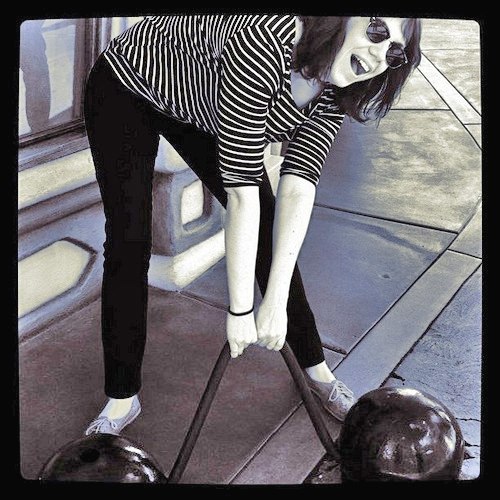
The recipe, as with 20 rep squats, is deceptively simple. Do not let that simplicity fool you. Attacked properly, 20 rep deadlifts will be among the most challenging training you will ever undertake.
Five elements. One crucial distinction.
- 20 repetition deadlifts
- 3 deep breaths between each repetition
- Add 5–10 lbs to the bar each workout
- Drink 2 quarts of milk daily
- Rest — allow full recovery between sessions
Never train the deadlift to failure.
Unlike the squat, the stresses placed on the lower back when deadlifting are colossal — making the risk of injury to this structure very real. Always keep one or two reps in reserve. Your health and long-term training career depend on it.
For a safer alternative, consider the dumbbell deadlift or use a hex bar — both reduce lower back stress while preserving the movement's muscle building benefits.
The deadlift is one of the primary movements in the Minimum Effective Strength System — applied with the same principle of progressive loading and adequate recovery that makes the 20-rep protocol work.
How 20 rep deadlifts build muscle.
The hips and thighs are the largest muscle groups in the body. Any effective strength routine must exercise these body parts. The 20 rep deadlift does exactly that — vigorously and repeatedly — triggering a powerful muscle building and metabolic response.
- Deep breathing oxygenates the blood while expanding the lungs — creating the respiratory capacity that supports muscular growth.
- Progressive loading — adding 5–10 lbs each session — signals a continuous adaptive muscle building response.
- Milk provides excellent muscle building protein to support recovery and growth.
- Rest allows the body to actually grow — without adequate recovery, the stimulus is wasted.
Do not be afraid to rest the barbell on the floor between repetitions during your 20 rep deadlifts. Never attempt to take your three deep breaths at the top of the lift while holding the bar — your grip will become the limiting factor, not your legs and back.
When 20 reps is too much — a sensible progression.
For many ordinary trainees, the traditional 20 rep deadlift is too intense to begin with. Fatigue is the protocol's number one enemy. These modifications allow you to build toward the full programme without burning out.
Build to 20 repetitions gradually.
- Begin your workout at 12 repetitions
- Add 2 more repetitions to your next workout
- Continue adding 2 repetitions each session until you reach 20
- Add 2–5 lbs to the bar
- Return to 12 repetitions and repeat the cycle
The deadlift rewards patience above all other movements. Build into it properly and it will reward you with power and size that nothing else can match.
If the principle behind this — one movement, progressively loaded, with recovery as strategy — resonates with how you want to train, the Minimum Effective Strength System applies it within a complete, structured framework.