Muscle Building
Shakes — Four
Quick Homemade
Protein Shakes
That Work
Years before expensive protein powders existed, 1950s strongmen were building impressive physiques with simple blender-made shakes — and the same approach still works today
One of the biggest challenges in building muscle is meeting daily protein and calorie requirements consistently. Preparing full meals three or four times a day is not always practical — particularly for trainees with busy work and family lives. This is where homemade muscle building shakes prove genuinely invaluable. Quick to prepare, nutritious, and far more affordable than commercial alternatives, they can bridge the nutritional gap between meals without requiring the kitchen to become a second occupation.
The good news is that making effective muscle building shakes requires nothing more than a blender and a handful of readily available ingredients. No expensive powders required — though they can certainly be added if preferred. The shakes below range from a classic pre-modern strength training tradition to practical modern variations suited to any training goal.
Long before commercial protein powders, the strongmen
of the 1950s were building muscle with milk and blenders.
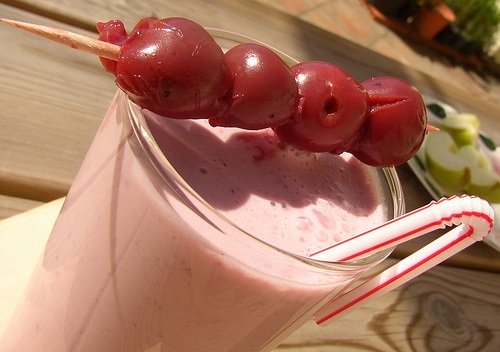
Protein shakes are not a modern invention. Long before the high-tech protein powders that dominate today's fitness industry, the strongmen of the 1950s were consuming quarts of milk-based shakes to fuel their training. These early concoctions were largely whole food affairs — milk, eggs, fruit, and various natural additions — easily digestible, inexpensive to prepare, and remarkably effective at delivering the calories and protein serious training demands.
The classic blender bomb became legendary in strength training circles for its muscle-building properties. Recipes varied from trainer to trainer, but the principle was consistent — combine whole milk, powdered milk, and a selection of nutrient-dense additions into a calorie-rich, protein-packed shake that could substitute for a meal or supplement between them. The ingredients might sound unusual to modern ears, but this tradition of practical, whole-food nutrition produced the physiques that inspired generations of lifters.
The original muscle building shake — before the supplement industry existed to complicate it.
- 4 cups whole milk
- 2 cups powdered milk
- ¼ cup brewer's yeast
- 1 banana
- 2 tbsp lecithin
- 1 tbsp wheat germ oil
- 1 scoop vanilla ice cream
- Add all ingredients to a blender
- Blend on high until completely smooth
- Consume immediately or refrigerate for up to 24 hours
The blender bomb was typically consumed in place of a scheduled meal or as a between-meal supplement on high-demand training days. The brewer's yeast supplies B vitamins and protein. Lecithin supports fat metabolism. Wheat germ oil provides vitamin E and healthy fats. These additions reflect the era's focus on whole-food nutrition over isolated nutrients.
The same whole-food nutrition philosophy that fuelled the 1950s strongmen is the right approach for the natural trainee today. Training hard, eating real food, and recovering well — the three principles the Minimum Effective Strength System is built around.
From the classic tradition to practical modern variations —
something for every goal and every preference.
The Modern Blender Bomb
- 2 cups whole milk
- 1 scoop vanilla protein powder (optional)
- 1 banana
- 1 tbsp peanut butter
- 1 tbsp honey
- Small handful of oats
- Add all ingredients to a blender.
- Blend on high for 30–45 seconds until smooth and creamy.
- Serve immediately.
A contemporary take on the classic blender bomb — pineapple, peaches, mangoes, strawberries, or berries all work well in place of or alongside the banana. Vary the fruit to keep things interesting across the week. The protein powder is entirely optional — the milk and peanut butter already supply substantial protein.
Banana Smoothie
- 2 medium bananas, frozen and peeled
- 1 cup whole milk or non-fat milk
- 1 tbsp chopped walnuts
- Pinch of cinnamon (optional)
- Peel and freeze bananas in advance — at least two hours before making.
- Add frozen bananas and milk to blender.
- Blend until smooth. Add walnuts, blend briefly to combine.
Frozen bananas create a thick, creamy texture without ice. Bananas are an excellent source of potassium — important for muscle contraction and recovery. Walnuts add omega-3 fatty acids and a satisfying texture. A simple, genuinely enjoyable shake that takes under two minutes to prepare.
Low-Calorie Shake
- 2 cups non-fat milk or low-fat yoghurt
- 1 banana or handful of berries
- 1 tsp vanilla extract
- Sweetener to taste (optional)
- Add all ingredients to a blender.
- Blend until smooth.
- Adjust sweetness and serve.
For trainees watching overall calorie intake or managing body composition, substituting non-fat milk or yoghurt for whole milk significantly reduces calories while preserving the protein content. These shakes still taste excellent — they are simply leaner versions of the standard approach.
Chocolate Post-Workout Shake
- 2 cups non-fat milk
- 2 tbsp chocolate milk powder
- 1 banana (optional)
- Add chocolate powder to non-fat milk in a blender or shaker.
- Blend or shake well until fully combined.
- Consume within 30 minutes of training.
As fitness writer Rusty Moore noted, two glasses of chocolate milk after training rivals expensive protein products for post-workout muscle building — at a fraction of the cost. Non-fat milk is specifically recommended for post-training use because fat slows digestion, and after training the goal is rapid amino acid delivery to recovering muscles. The lower fat content of non-fat milk allows faster absorption when it matters most.
Meeting your nutritional requirements does not need to be
difficult, expensive, or dependent on supplements.
The supplement industry would have every trainee believe that building muscle requires an arsenal of expensive powders, proprietary blends, and miracle products. The 1950s strongmen — who built extraordinary physiques on whole milk, eggs, fruit, and basic equipment — quietly disprove that argument every time their history is examined.
Homemade muscle building shakes provide a practical, affordable, and genuinely effective way to supplement a training diet without supplement dependency. They take minutes to prepare, use ingredients available in any supermarket, and can be adapted to any calorie target, dietary preference, or training goal. For the broader nutritional picture that surrounds these shakes, see the muscle building diet page.
Real food. Simple preparation. Consistent nutrition. These are the habits that support every session of the Minimum Effective Strength System — and a blender and a bag of oats will take you further than most of what the supplement industry sells.